top of page
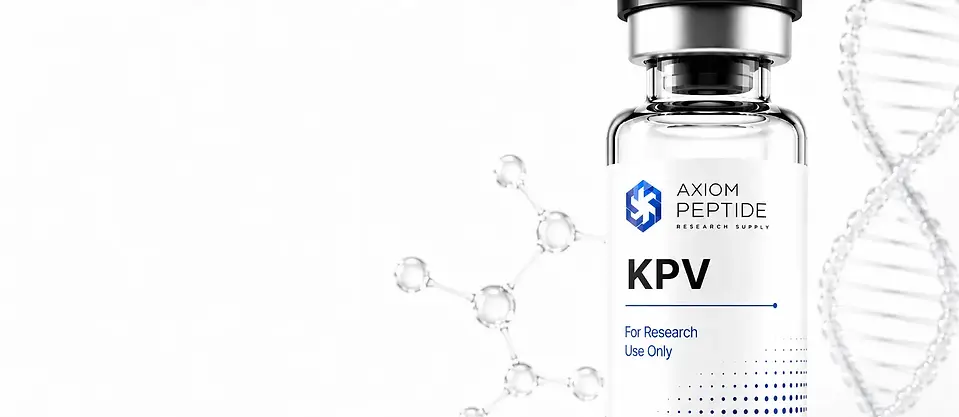
KPV
Small Peptide, Strong Purpose — Supporting Balance Where Inflammation Begins
Research Overview
KPV peptide is unique because it is focused on inflammation resolution, not just general recovery. It is described as helping protect the endothelial lining inside blood vessels by supporting tight junction proteins such as VE-cadherin, occludin, and claudins, which are important for keeping the vessel barrier strong and less “leaky.” KPV is also linked to lowering adhesion molecules like ICAM-1 and VCAM-1, which can make inflamed blood vessels sticky and attract immune cells. This gives KPV a more specific role in vascular inflammation, immune-cell control, foam cell formation, and plaque stability, rather than simply being another peptide for repair or healing.
KPV also stands out because its effects are connected to several inflammation-driven systems at once. In the brain, it is described as helping calm overactive microglia, which are immune cells involved in neuroinflammation, cognitive decline, and poor brain resilience. For metabolism, KPV is linked to inflammatory markers behind insulin resistance, visceral fat, blood sugar stress, and metabolic syndrome. For skin, it is positioned around immune-driven conditions like psoriasis and eczema by supporting skin barrier recovery from the inside out. Its main value is that it targets the inflammatory signals behind dysfunction in blood vessels, brain, skin, metabolism, and immune balance, instead of only treating surface symptoms.
Real Life Benefits
Helps Protect the Blood Vessel Barrier
KPV is linked to supporting tight junction proteins like VE-cadherin, occludin, and claudins, which help keep blood vessels strong and less “leaky.”
Reduces “Sticky” Immune-Cell Adhesion
KPV may help lower ICAM-1 and VCAM-1, molecules that make inflamed vessel walls sticky and attract immune cells.
Supports Plaque Stability, Not Just Cholesterol Numbers
KPV is described as reducing foam cell formation and MMP activity, helping target plaque inflammation and instability rather than only cholesterol.
Calms Overactive Microglia in the Brain
KPV may help reduce microglial overactivation, which is tied to neuroinflammation, synapse stress, and cognitive decline.
Calms Metabolic Inflammation
KPV is linked to inflammatory markers behind insulin resistance, blood sugar stress, visceral fat, and arterial stiffness.
Supports Skin Barrier Recovery From the Inside Out
KPV is described as helping calm immune-driven skin inflammation linked to psoriasis, eczema, itching, and barrier dysfunction
Dosing Protocols
Starting Dose
200-300 mcg
Dosed Daily
Standard Dose
500-900 mcg
Dosed Daily
Side Effects
KPV is generally discussed as a well-tolerated inflammation-support peptide, but published human safety data remains limited. Possible side effects may include mild injection-site redness, swelling, tenderness, itching, bruising, temporary fatigue, headache, lightheadedness, digestive changes, nausea, or skin sensitivity. Because KPV influences inflammatory and immune-related pathways, individual responses can vary, and long-term safety data, especially for injectable use, is not fully established.
Side Effects May Vary Per Indavidual, Not Limited To Listed Side Effects
Mixing Guide
Use Our Websites Dosage Calculator Page For Reconstitution & Dosage Information
Amount Per Cycle
Cycle Length
8-12 Weeks
Total Needed
20-90 mg
Vials Needed
2-9 (10mg)
The amount you need, as outlined in the "Dosing Protocol" section, will depend on your specific cycle protocol. The values will range from the minimum to the maximum cycle length and dosage. It is crucial to conduct thorough research before dosing any compound. Make sure you are well-informed and confident in your decisions.
.png)
Important Note: The protocols and dosages are for "Research Purposes Only". The information displayed is not medical advice for humans or animal use. This Information is for professionals only.
Must Read
• Do use KPV when inflammation control is the main goal. It is best positioned for gut inflammation, skin inflammation, systemic inflammation, immune overactivity, and recovery support.
• Do keep food clean while using it. Junk food, alcohol, seed oils, excess sugar, and processed foods can keep inflammation high and make results harder to notice.
• Do support gut health. KPV is best used when the goal is calming gut irritation, supporting the gut lining, and reducing inflammatory flare-ups.
• Do track the right markers. Watch digestion, bloating, skin irritation, redness, itching, joint discomfort, recovery, energy, and overall inflammation.
• Do support it with omega-3, vitamin D3/K2, magnesium, zinc, selenium, B vitamins, and clean nutrition. These help create a better anti-inflammatory environment.
• Do use it consistently during an inflammation-focused phase. Random use makes it harder to judge changes in gut, skin, or systemic inflammation.
• Do keep stress and cortisol controlled. High stress can keep inflammation active, while magnesium bisglycinate and L-theanine may help support relaxation and sleep.
• Do think inflammation resolution, not symptom masking. KPV is better positioned for calming the inflammatory response instead of just covering up discomfort.
• Don’t rely on oral KPV if the goal is a stronger systemic effect. Oral peptides may be broken down before they can be used effectively.
• Don’t expect KPV to work while inflammation triggers stay high. Poor food, alcohol, bad sleep, high stress, and toxin exposure can keep the body inflamed.
• Don’t use it like a painkiller. KPV is not meant to numb pain quickly; it is better used for inflammation control and immune balance.
• Don’t ignore gut issues. Ongoing bloating, irritation, poor digestion, or food-triggered inflammation can work against results.
• Don’t judge it only by one symptom. KPV may show up through better digestion, calmer skin, less redness, improved recovery, and lower overall inflammation.
• Don’t treat skin issues as only cosmetic. Redness, itching, eczema-like irritation, and flare-ups can reflect deeper inflammation that needs to be controlled.
• Don’t use it randomly and expect stable results. Inflammation control works better with consistency, clean food, sleep, and stress control.
• Don’t assume more is better. A controlled, consistent inflammation-support phase is better than pushing aggressively.
bottom of page