top of page
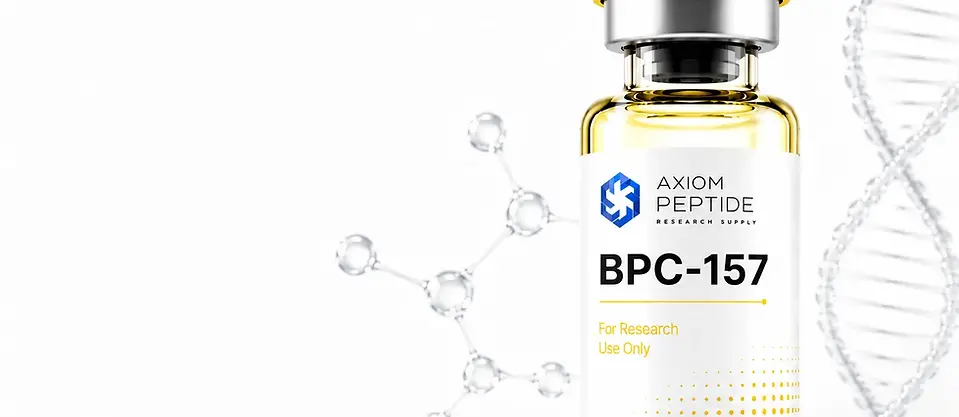
BPC-157
The Repair Signal Behind Gut, Tissue, and Recovery Support
Research Overview
BPC-157 is a 15–amino acid peptide sequence associated with the body’s natural cytoprotective repair systems. It is best understood as a repair-signaling peptide rather than a simple injury-support compound. Its research focus includes nitric-oxide regulation, blood-flow support, inflammation control, gut-barrier integrity, oxidative-stress protection, and tissue remodeling. One of its most important proposed mechanisms is balancing the nitric oxide pathway by supporting endothelial nitric oxide activity for circulation and vascular relaxation, while reducing excessive inflammatory nitric oxide signaling that can contribute to tissue stress.
BPC-157 stands out because it is positioned around improving the biological environment that repair depends on. By supporting blood flow, calming inflammatory signaling such as TNF-alpha and NF-kappaB, protecting mitochondria from oxidative stress, and encouraging angiogenesis and fibroblast activity, it may help create conditions for stronger tissue recovery rather than disorganized scar-like repair. This makes BPC-157 especially relevant in research involving gut-barrier function, tendon and ligament remodeling, muscle recovery, connective-tissue resilience, organ protection, nerve-support pathways, and age-related tissue decline.
Real Life Benefits
Whole Body Repair Environment
Covers systemic repair, anti-aging angle, growth hormone receptor support, and the overall “repair-environment peptide” idea.
Inflammation & Cellular Health
Lowers inflammation, oxidative stress, mitochondrial function, ATP, insulin signaling, cellular protection.
Brain & Nervous System Support
Supports nerve repair, spinal cord support, brain protection, motor recovery, central nervous system healing environment.
Helps With Gut & Organ Protection
Heals gut lining, leaky gut, stomach, liver, kidney, heart, lung protection, fibrosis support.
Supports Blood Flow & Regeneration
Increases blood flow, angiogenesis, oxygen/nutrient delivery, scar tissue reduction, glucose delivery, tissue rebuilding.
Accelerates Repair & Recovery Support
Accelerates injury recovery, tendon healing, ligament repair, muscle recovery, joint support, daily wear and tear, fibroblast stimulation, improved tissue quality.
Dosing Protocols
Starting Dose
200-300 mcg
Dosed Daily
Standard Dose
500-1000 mcg
Dosed Daily
Side Effects
Possible side effects of BPC-157 may include nausea, headache, dizziness, fatigue, stomach discomfort, appetite changes, or mild changes in mood or energy. Some people may also experience injection-site redness, swelling, tenderness, itching, or temporary soreness. These effects can vary depending on dose, sensitivity, and how the body responds. Severe swelling, rash, fever, chest discomfort, or unusual reactions should be taken seriously.
Side Effects May Vary Per Indavidual, Not Limited To Listed Side Effects
Mixing Guide
Use Our Websites Dosage Calculator Page For Reconstitution & Dosage Information
Amount Per Cycle
Cycle Length
8-12 Weeks
Total Needed
20-90 mg
Vials Needed
2-9 (10mg)
The amount you need, as outlined in the "Dosing Protocol" section, will depend on your specific cycle protocol. The values will range from the minimum to the maximum cycle length and dosage. It is crucial to conduct thorough research before dosing any compound. Make sure you are well-informed and confident in your decisions.
.png)
Important Note: The protocols and dosages are for "Research Purposes Only". The information displayed is not medical advice for humans or animal use. This Information is for professionals only.
Must Read
• Do use BPC-157 for targeted repair, gut support, tendon support, ligament support, soft-tissue recovery, and inflammation control. It is best positioned for localized irritation, nagging injuries, gut lining support, and recovery-focused routines.
• Do use it consistently during a structured repair phase. BPC-157 is better judged over several weeks, not after one or two uses.
• Do keep movement controlled while recovering. Less pain does not always mean the tissue is fully healed, so training load should return gradually.
• Do support repair with protein, hydration, sleep, and clean nutrition. Tissue recovery needs raw materials, low inflammation, and enough rest to rebuild properly.
• Do track pain, mobility, swelling, digestion, range of motion, training tolerance, and recovery speed. These markers are more useful than only judging daily soreness.
• Do keep inflammation low while using it. Poor sleep, alcohol, junk food, smoking, high stress, and overtraining can all work against tissue and gut repair.
• Do manage injection-site irritation properly. Rotate sites, avoid irritated or bruised areas, let alcohol fully dry, inject slowly, and avoid hard rubbing afterward.
• Do watch for abnormal reactions. Mild redness or tenderness can happen, but spreading redness, heat, worsening pain, pus, fever, hives, breathing issues, or swelling that keeps growing is not normal.
• Don’t use BPC-157 as an excuse to train through injury. Reduced pain can make an injury feel better before the tissue is actually ready for full stress.
• Don’t stop the repair phase too early. Pain may improve before the underlying tissue is fully recovered, so stopping too soon can leave the process unfinished.
• Don’t expect BPC-157 to work like a painkiller. It is better positioned for repair, inflammation control, and recovery support, not just masking discomfort.
• Don’t rely on it while keeping bad recovery habits. Poor sleep, low protein, alcohol, junk food, high stress, and repeated overuse can all block progress.
• Don’t ignore gut triggers if using it for digestion. Alcohol, harsh foods, constant snacking, high stress, and poor sleep can keep gut irritation active.
• Don’t inject into irritated, bruised, swollen, scarred, or recently used areas. Give the tissue time to calm down before using that area again.
• Don’t assume more is better. BPC-157 works best as a controlled repair-support phase, not an aggressive “push harder” compound.
• Don’t use during pregnancy, breastfeeding, active cancer, or serious uncontrolled medical conditions unless medically cleared. This is not the time to experiment with repair-signaling compounds.
bottom of page